






 When Florida’s Ninth Edition Energy Code takes effect on December 31, 2026, HVAC contractors will face closer connections between the system specified on paper and the one operating in the building. The code’s residential performance target becomes more demanding, cooling equipment selection provisions change, and the former duct testing exception for homes using the R405 performance path is removed. Approved software such as EnergyGauge USA can document compliance, but the contractor still has to deliver the system the calculations describe. www.floridabuilding.org
That begins with the load calculation. For new residential installations, the code calls for building loads calculated using ACCA Manual J or another approved method. Revised Section R403.7 then governs equipment sizing and selection, including options that expressly use Manual S. These are related tasks: the load calculation identifies what the home needs; equipment selection checks whether a particular system can meet that need under design conditions. Neither should be reduced to replacing a three-ton unit with another three-ton unit. www.floridabuilding.org, codes.iccsafe.org/content/
When should a contractor bring in a load calculation professional? Certainly when the company does not have someone trained to gather accurate building information, perform the calculation and interpret the results. Outside help also makes sense when a project is unusually complicated: a major addition, substantially changed insulation or windows, multiple systems, zoning, extensive glass, or a persistent humidity complaint. On a replacement, it is especially valuable when the existing unit struggles to cool, short cycles, or serves rooms with uneven temperatures. The old equipment’s capacity is evidence of what was installed, not proof of what the building requires today.
The specialist’s work should inform the contractor’s decision, not simply produce a report for the permit file. Provide current plans and construction details. Discuss the proposed equipment, available matched systems, duct capacity and the home’s sensible and latent cooling needs. Ask for the assumptions behind the result and resolve discrepancies before ordering equipment. If an approved energy compliance model is also being prepared, make sure its HVAC inputs describe the system the contractor intends to install.
Florida’s new residential provisions give that coordination greater weight. Under the R405 performance path, the proposed design’s maximum normalized modified loads decrease from 95% to 85% of the reference design’s loads. The new R407 additional efficiency credits apply to the specified prescriptive path and may involve higher efficiency HVAC equipment, thermal distribution or controls. Contractors should know which path the project uses before promising that an equipment upgrade will satisfy a particular requirement. www.floridabuilding.org
Commercial projects call for the same discipline, though the design and compliance process differs. ACCA Manual N addresses commercial load calculations, while Florida lists COMcheck Web using ASHRAE 90.1-2022 as approved Ninth Edition commercial compliance software. A contractor considering a commercial equipment substitution should coordinate it with the project’s designer so that the selected system and compliance documentation remain consistent. www.acca.org
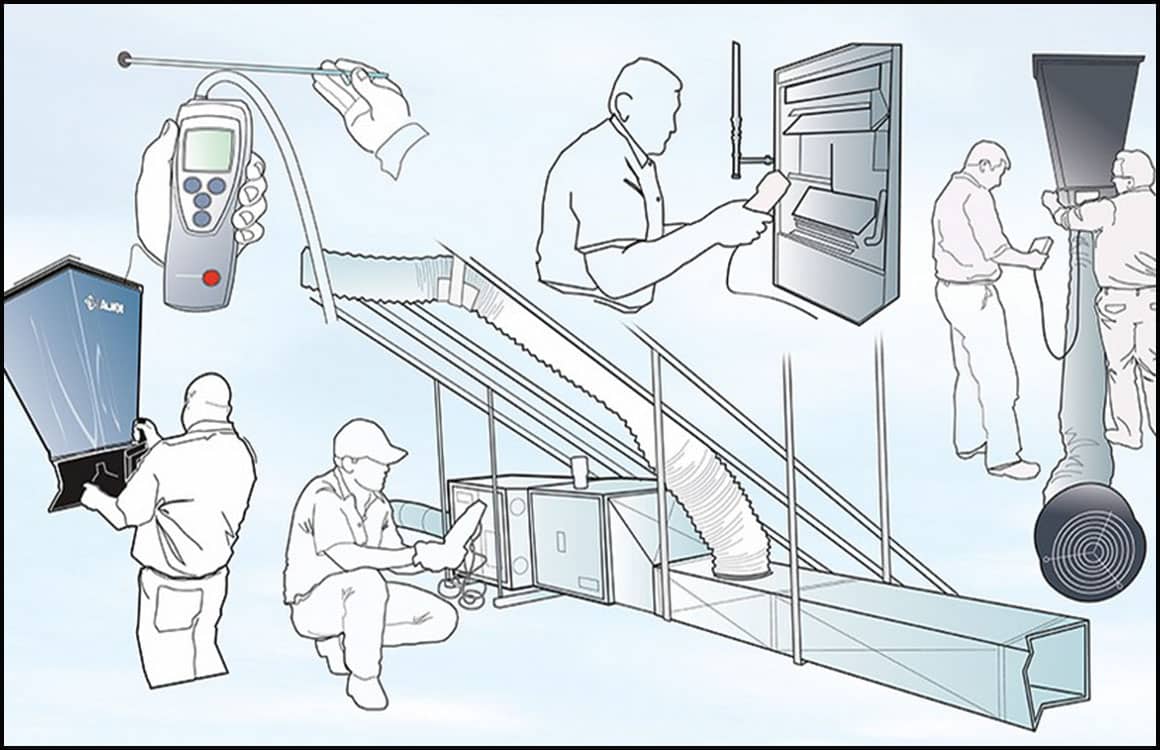
A sound design, however, is only the first half of the job. At startup, record what the installed system actually does. Useful readings include operating mode, indoor and outdoor conditions, refrigerant pressures, line temperatures, superheat or subcooling, supply and return air temperatures, and the resulting temperature difference, or TD. Record airflow and total external static pressure, along with relevant filter and coil pressure drops, where practical. Document duct leakage test results when required.
These figures need context. A temperature difference alone does not establish correct charge or airflow; pressures without temperatures and operating conditions have limited diagnostic value. Compare the complete set of readings with the manufacturer’s specifications and the design. Correct deficiencies, then record the final readings after adjustments. ACCA’s quality installation guidance recognizes measurement, verification and documentation as parts of a complete installation. ACCA
Keep that startup record with the equipment model numbers, matched-system information, load calculation and compliance documents. It gives the homeowner a baseline and gives the service technician a way to distinguish a later fault from a condition present on installation day. It also helps the contractor show that the finished system was tested, not merely turned on.
This work takes time and adds cost. A reliable load calculation, careful equipment selection, duct testing, startup measurements and a complete record all require trained people and billable hours. Contractors should account for that effort in their proposals and explain its value to customers. At the same time, these steps are not a new idea introduced by the Ninth Edition. They reflect quality installation practices that the industry has promoted for well over a decade. The updated code makes some of them more consequential but measuring and documenting how a system performs should already have been part of delivering a finished installation.
The Ninth Edition will bring new calculations and forms into focus. The most useful response is a consistent practice: calculate the load, select equipment for that load, verify duct and system performance, and preserve the measured results.
Sources for more information:
- ACCA -— Standards and manuals for load calculations, equipment selection, duct design, quality installation and verification.
- ASHRAE — Technical standards and guidance for HVAC design, inspection, maintenance, commissioning and documentation.
- AHRI — Certified equipment performance ratings and verification of matched system combinations.
- NCI National Comfort Institute — Practical training in system evaluation, airflow testing, duct optimization, balancing and documented performance.
- ESCO Group — Training materials covering installation, diagnostics, refrigerant practices, heat pumps and system performance verification.
Warm regards,
Peter Montana
Owner & Managing Director, ACProsite
pmontana@acprosite.com