



When you walk up to a piece of equipment, you want to follow a process to ensure that you accomplish five things:
#1 – You diagnose the fault correctly.
#2 – If possible, you find the “why” of the failure.
#3 – Find any other problems or potential problems with the system that can cause inefficiency, low capacity, failure, safety, or indoor air quality issues.
#4 – Communicate clearly with the customer and office about these issues via paperwork or verbal communication.
#5 – Execute and repair the issues efficiently and professionally.
To accomplish these, I recommend looking at the equipment with a wide, narrow, wide mindset.
First “Wide”
First, speak with the customer, read the call history, and understand the past failures and the customer’s concerns. Look at the equipment and look for any obvious signs of issues, like oil stains, corrosion, rubbing wires, bloated capacitors, etc.

“Narrow”
Then, go narrow and FIND THE CURRENT PROBLEM. The difference between a “sales tech” and a real service tech is the ability to diagnose the problem at hand quickly and accurately, and find the likely causes of the failure.


Final “Wide”
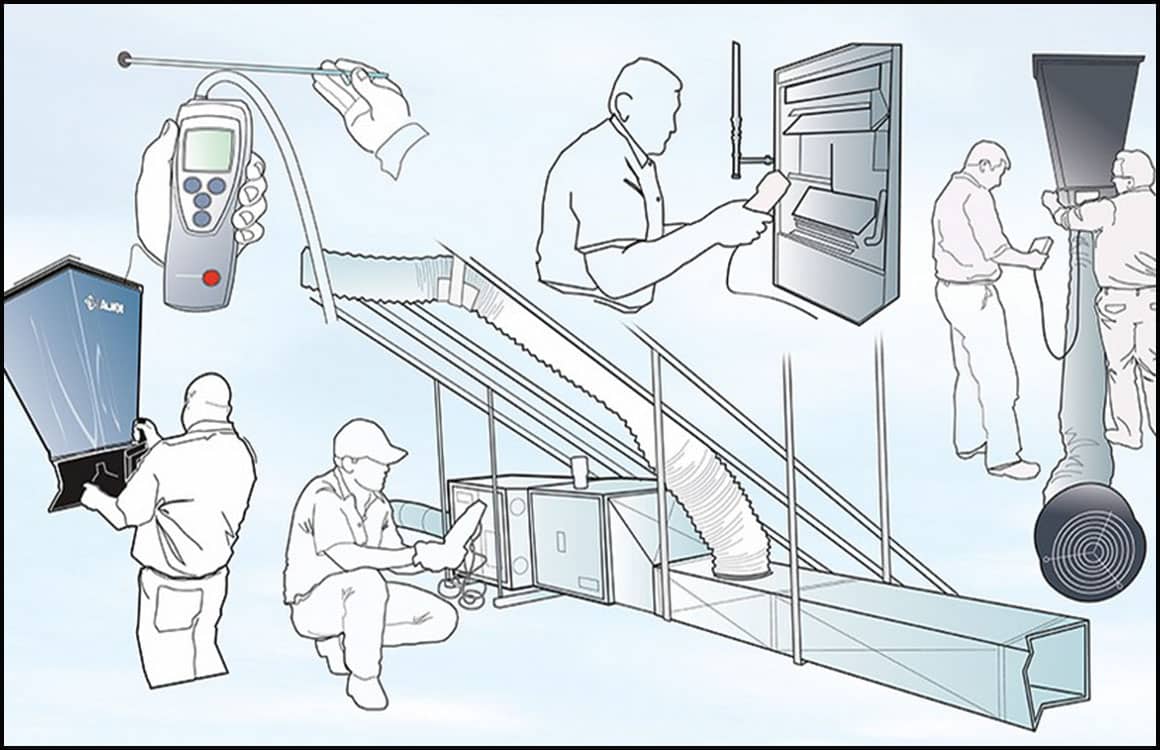
Finally, once you find THE problem, go wide again and look for any other problems BEFORE communicating with the customer. Look at coils, contactors, capacitors, filters, belts, wire connections, and potential rubouts. Then, check coils and the accumulator for oil stains, etc.
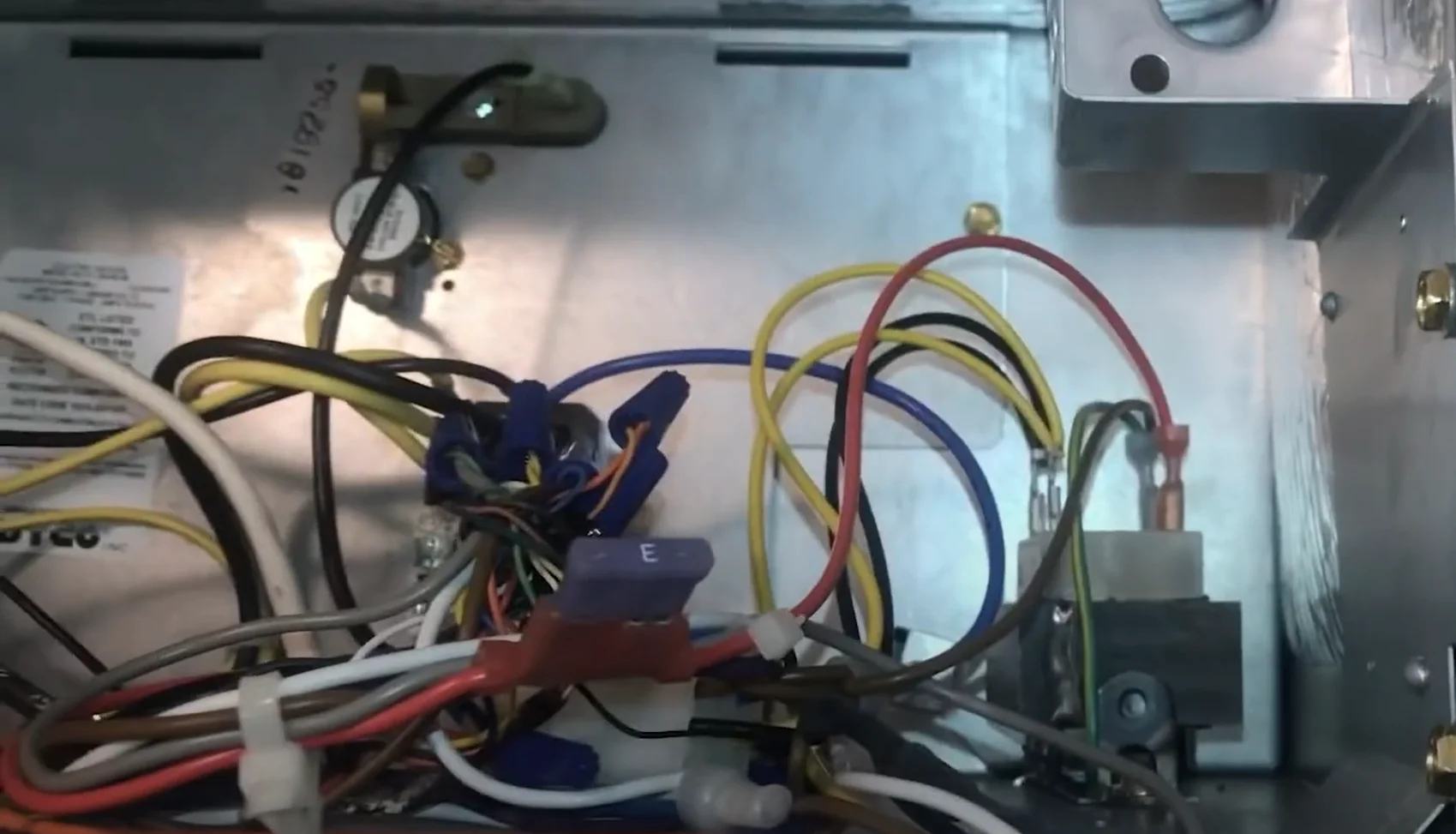
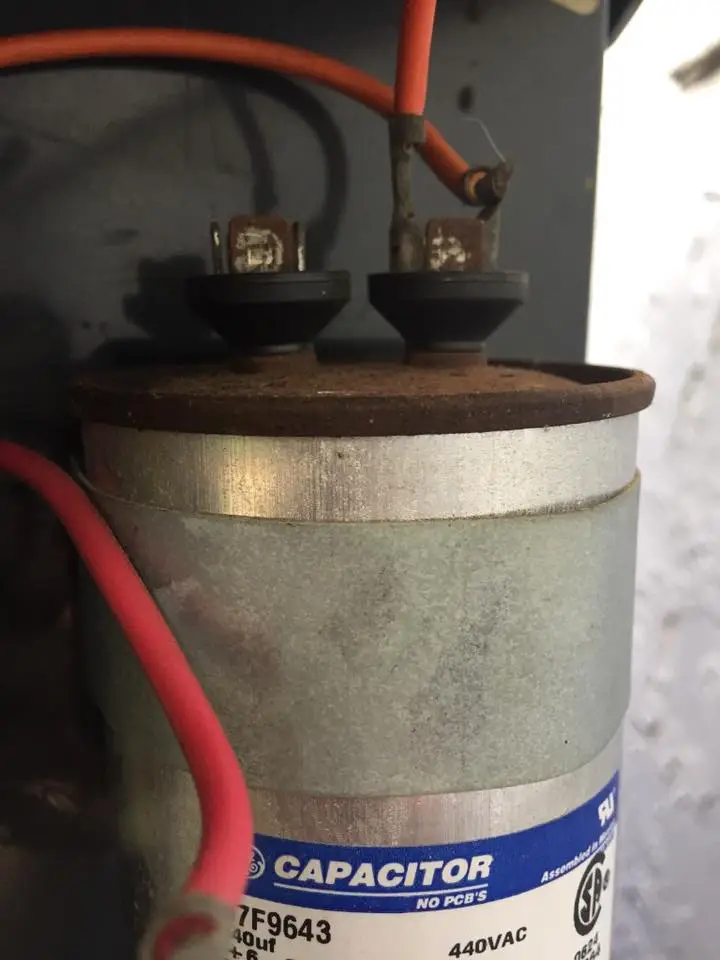
When looking wide, take the mindset that:
- The system was likely installed poorly or incorrectly, to begin with.
- Every other repair made to the unit was done improperly.
This will put you in the mindset to double-check everything.
Now, you are ready to talk to the customer and make repairs with confidence.
—Bryan
Co-Founder and President at Kalos Services, Bryan Orr has been involved in HVAC training for over 15 years. Bryan started HVAC School to be free training HVAC/R across many mediums, For Techs, By Techs.
Contact Bryan by emailing bryan@HVACRSchool.com.
Visit https://hvacrschool.com – The place to learn some things you’ve forgotten along the way as well as remind you of some things you forgot to know in the first place.