


Here they come again, those numbers of an onslaught of kids graduating from school, disillusioned Gen Zers and other displaced workers seeking careers in the trades. They may not be looking at HVACR yet but I believe they are on their way.
In the Metabo HPT “Bring Back Shop Class” posted on ACprosite.com a nationwide survey found that 97% of respondents say it is important for high schools to bring back shop class, 78% would encourage a skilled trade career if advising a high school student today and 61% believe careers such as electricians, plumbers, and carpenters are more secure from automation and AI disruption over the next decade than white-collar office careers (16%).
The survey methodology is explained at the end of the Metabo post.
How are we going to train them? I know of one AC apprenticeship program that has a full slate of classes for next year and several programs that are seeking instructors to teach the students they have. I hope that all the program directors are planning for the future for the sake of their programs and I wish I had the answers.
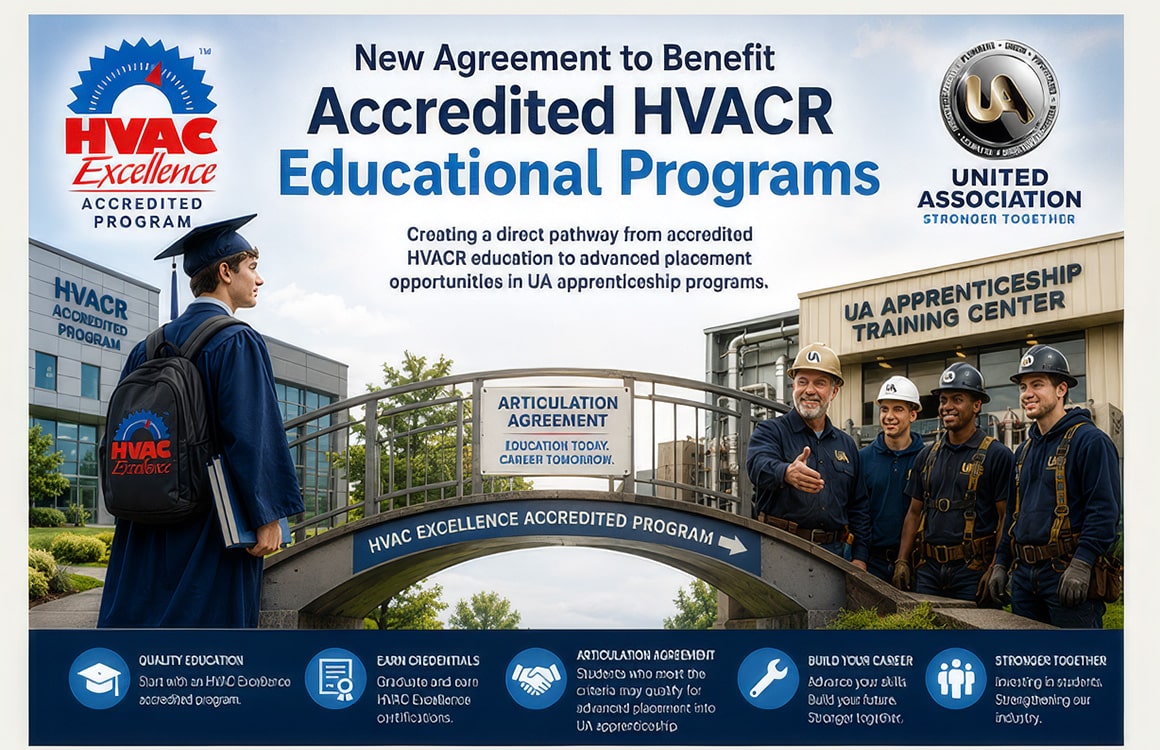
I believe these structured association apprenticeship programs turn out the best technicians and are the best value for training we have today.
However, I also believe we should develop less-structured, unconventional ways to prepare our incoming workforce and improve their knowledge as they move along in their careers.
That means contractors can’t afford to wait for someone else to develop the next generation. By taking a proactive role in training, mentorship, and collaboration with distributors and manufacturers and their reps, you can strengthen both your business and the entire industry. At the same time, distributors, manufacturers and their reps can take a proactive role in finding out what their customers and other contractors’ training needs are and how to meet them.
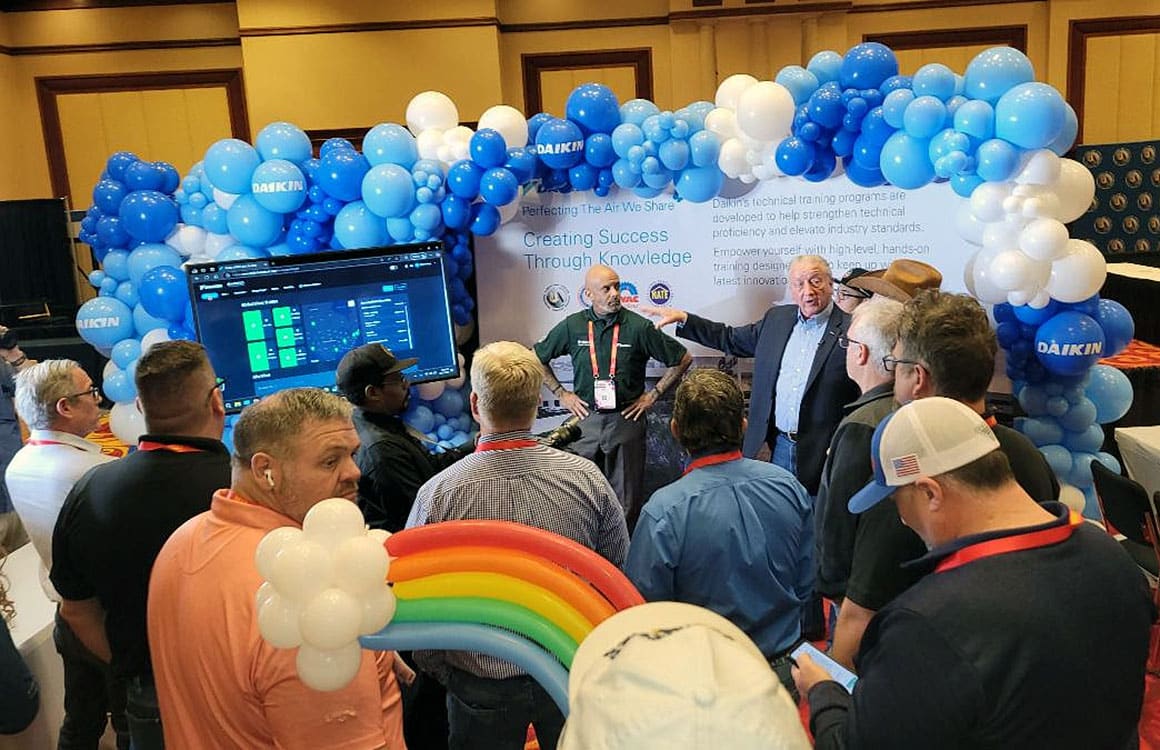
Get involved and support your apprenticeships, associations, supply houses and reps by encouraging your techs to attend the lunch and learns and free or low-cost classes conducted by manufacturers or their reps and distributors. Host demo nights or open your shop for joint training sessions with your local distributor or manufacturer rep. Contractors who actively participate or co-host these sessions help expand access to training statewide.
Take advantage of online training. Schedule group meetings, maybe even invite technicians from like-minded companies that may not have the facilities to conduct online classes to join you. Pool your resources to cover the expenses. Schedule training during paid hours to encourage attendance and build loyalty.
How do you meet contractors that may be willing to participate? Join your local associations. Speak with your supply houses and let them know what training is needed most. Let the manufacturer reps that call on you hear your concerns.
All these conversations don’t need to be one-way. Supply houses and manufacturer reps can ask the same questions. Are their customers willing to invite other companies into their training rooms to make larger classes possible? When are the best times to conduct classes and hands-on demonstrations? What best practices are most desired?
The impact of not taking steps anticipating training needs could be significant to contractor businesses and the industry as a whole: a shrinking skilled workforce resulting in turning away or delaying jobs, reduced quality and customer satisfaction accompanied by increased liability and warranty claims and an overall negative effect on the industry, making it harder to attract young people to the trade and secure state or federal funding for new programs.
Training is an investment. Every partnership, class, and mentorship builds a stronger, smarter, more resilient HVACR workforce for Florida’s future. Contractors who step up today will be best positioned to lead and profit tomorrow.
Warm regards,
Peter Montana, Director, ACprosite.com
pmontana@ACprosite.com
813.417.6792